
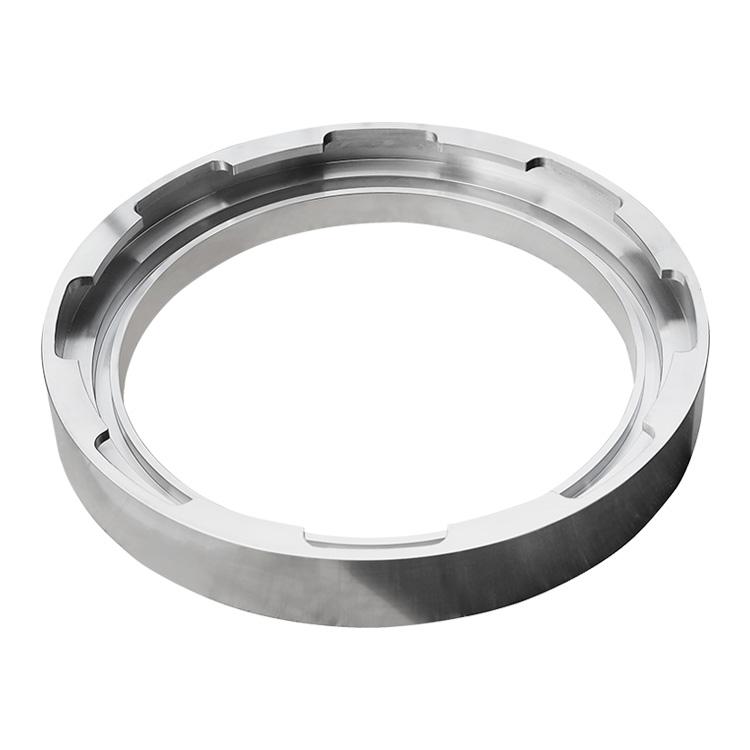
A custom welding neck flange for pressure vessel systems is a precision-engineered flange designed to provide a strong, reliable, and leak-resistant connection in high-pressure and high-temperature applications. In pressure vessel construction, every connection point matters. The welding neck flange is widely used because it offers excellent stress distribution, superior structural integrity, and dependable performance in demanding industrial environments. When customized to specific design requirements, it becomes an even more valuable component for process stability, safety, and long service life.
This page provides a complete industry overview of the custom welding neck flange for pressure vessel systems, including its definition, working principle, key advantages, material options, dimensions, manufacturing considerations, inspection criteria, and common applications. The content is written in SEO-friendly English and is suitable for use in blog posts, product category pages, industrial directories, engineering resource pages, and technical landing pages.
A welding neck flange is a type of flange with a long tapered hub that is butt-welded to a pipe, nozzle, or pressure vessel connection. This design allows stress to transfer gradually from the flange to the welded joint, reducing the risk of mechanical failure in critical service conditions. A custom welding neck flange for pressure vessel systems is manufactured according to specific project requirements such as size, pressure rating, material grade, facing type, bore configuration, and dimensional standards.
In pressure vessel systems, the flange must handle internal pressure, thermal expansion, vibration, cyclic loading, and process media that may be corrosive, abrasive, or high temperature. Customization ensures the flange matches the exact engineering needs of the vessel design. This is especially important in industries where standard off-the-shelf flanges may not provide the required compatibility or performance.
Because of its structural design and weld integrity, the welding neck flange is often selected for applications where safety and sealing reliability are critical. Custom fabrication allows engineers to adapt the flange to unique nozzle layouts, special pipe schedules, nonstandard diameters, and project-specific codes.
The custom welding neck flange for pressure vessel systems is preferred because it combines mechanical strength with excellent sealing capability. Unlike some other flange types that create more concentrated stress at the joint, the welding neck design provides a smooth transition between the flange and the connected pipe or nozzle. This reduces fatigue and improves long-term reliability.
Pressure vessels often operate under severe conditions. They may be exposed to high internal pressure, elevated temperature, repeated start-stop cycles, and aggressive process fluids. Under these conditions, a weak flange connection can become a safety hazard. The welding neck flange is engineered to reduce stress concentration and support stable operation over time.
Another major reason for choosing a welding neck flange is its compatibility with critical welding practices. The butt-welded connection creates a strong metallurgical bond that is suitable for high-integrity systems. When custom designed, this flange can be matched precisely to pressure vessel nozzles and piping layouts for improved fit-up and easier assembly.
Using a custom welding neck flange for pressure vessel systems provides several important benefits for engineers, fabricators, and plant operators. The following advantages make it a leading choice in demanding industrial applications.
| Advantage | Description |
|---|---|
| High Strength | The tapered hub and butt-weld design deliver strong mechanical performance under pressure and load. |
| Excellent Stress Distribution | The gradual transition from flange to pipe helps minimize stress concentration at the joint. |
| Improved Sealing Reliability | Stable alignment and strong weld integrity support better long-term sealing performance. |
| Customization Flexibility | Can be manufactured to nonstandard dimensions, special materials, and unique project specifications. |
| Suitable for Harsh Environments | Performs well in high-pressure, high-temperature, and corrosive service conditions. |
| Long Service Life | Properly selected and fabricated flanges can provide durable operation with reduced maintenance needs. |
| Code Compliance Support | Can be produced to meet recognized pressure vessel and piping standards. |
These advantages make the custom welding neck flange especially useful where long-term performance and safety are critical. In many pressure vessel systems, the flange is not just a connection point; it is a structural component that contributes directly to the integrity of the entire assembly.
The custom welding neck flange for pressure vessel systems is used in a wide range of industries and process environments. It is particularly common where leak prevention, mechanical strength, and exact fit are essential.
| Application Area | Typical Use Cases |
|---|---|
| Petrochemical Plants | Pressure vessel nozzles, process vessels, reactors, and high-pressure fluid systems. |
| Oil and Gas | Separation vessels, storage systems, processing equipment, and pipeline tie-ins. |
| Power Generation | Boilers, heat exchangers, steam-related pressure equipment, and auxiliary vessel systems. |
| Chemical Processing | Corrosive media handling, reactor vessels, and high-spec containment systems. |
| Pharmaceutical Production | Sanitary or precision pressure systems requiring secure, engineered connections. |
| Food and Beverage | Special pressure vessels and process equipment with controlled sealing requirements. |
| Water Treatment | Pressurized filtration vessels and treatment equipment with custom connection needs. |
| Marine and Offshore | Compact, high-strength flange connections in challenging operating environments. |
In each of these sectors, the custom welding neck flange helps ensure that the pressure vessel system remains safe, efficient, and compliant with project requirements.
Material selection is one of the most important factors in the performance of a custom welding neck flange for pressure vessel systems. The correct material depends on temperature, pressure, corrosion resistance, weldability, code requirements, and media compatibility.
| Material Type | Typical Properties | Common Use |
|---|---|---|
| Carbon Steel | Strong, cost-effective, widely available, suitable for general service. | General pressure vessel systems, utility service, industrial piping. |
| Stainless Steel | Good corrosion resistance, clean surface finish, suitable for harsher media. | Chemical, food, pharmaceutical, and marine applications. |
| Alloy Steel | Improved performance at elevated temperature and pressure. | High-temperature pressure vessels and process systems. |
| Duplex Stainless Steel | High strength and strong resistance to corrosion and chloride attack. | Offshore, chemical, and aggressive environment service. |
| Nickel Alloys | Excellent resistance to severe corrosion and extreme process conditions. | Specialized chemical and high-end process systems. |
| Low-Temperature Carbon Steel | Better toughness in cold service conditions. | Cryogenic or low-temperature pressure applications. |
The choice of material for a custom welding neck flange should always be aligned with the operating environment and the relevant pressure vessel code. In many projects, corrosion allowance, thermal cycling, and weld compatibility are also considered before final material selection.
A custom welding neck flange for pressure vessel systems may follow standard dimensional conventions while still being customized to project requirements. Typical design factors include nominal pipe size, flange class, hub thickness, face finish, bolt hole layout, bore size, and overall outside diameter.
Although dimensions vary by standard and project, the following table provides a general reference for common design elements. Final dimensions should always be verified against the relevant engineering drawing, standard, and pressure vessel specification.
| Design Element | Description |
|---|---|
| Nominal Pipe Size (NPS) | Indicates the approximate pipe connection size and helps determine compatibility. |
| Pressure Class | Defines pressure capability, often using ratings such as Class 150, 300, 600, 900, 1500, or 2500. |
| Facing Type | May include raised face, flat face, ring-type joint, or other custom face configurations. |
| Bore Diameter | The internal opening aligned with the connected pipe or nozzle schedule. |
| Hub Length | The tapered neck length that improves stress distribution and weld strength. |
| Thickness | Flange body and hub thickness influence pressure capacity and mechanical strength. |
| Bolt Circle Diameter | The bolt hole pattern must match the mating flange and gasket arrangement. |
| Surface Finish | Face finish affects gasket sealing performance and assembly quality. |
The pressure rating of a custom welding neck flange for pressure vessel systems indicates the level of pressure the flange can safely withstand under specified conditions. Higher ratings are used in more demanding applications.
| Pressure Class | General Description | Typical Use Context |
|---|---|---|
| Class 150 | Lower pressure service with moderate operating demands. | Utility systems and low-stress process connections. |
| Class 300 | Common industrial rating with broader pressure capability. | General process and vessel applications. |
| Class 600 | Higher pressure service requiring stronger construction. | Critical process systems and high-load connections. |
| Class 900 | Heavy-duty pressure service for demanding conditions. | High-pressure vessels and severe service systems. |
| Class 1500 | Very high pressure rating for specialized applications. | Advanced petrochemical and process equipment. |
| Class 2500 | Extreme pressure service with strict engineering control. | Highly specialized high-pressure vessel systems. |
It is important to note that pressure ratings are influenced by temperature, material grade, design code, and flange geometry. A higher class does not automatically mean suitability for all conditions. Engineers must confirm the exact rating based on the full operating profile.
One of the defining benefits of a custom welding neck flange for pressure vessel systems is the ability to tailor the component to specific engineering needs. Customization can improve compatibility, simplify installation, and enhance performance.
| Customization Feature | Purpose |
|---|---|
| Nonstandard Diameter | Matches special vessel nozzles or unique piping layouts. |
| Special Bore | Aligns with pipe schedule or flow requirements. |
| Custom Face Finish | Improves gasket performance for selected sealing methods. |
| Material Upgrade | Enhances corrosion resistance, strength, or temperature tolerance. |
| Extended Hub Length | Supports stress reduction and welding access in specific designs. |
| Special Bolt Pattern | Adapts to mating equipment with unique bolt hole requirements. |
| Corrosion Allowance | Increases service life in aggressive operating environments. |
| Pressure Vessel Code Compliance | Ensures the flange is aligned with applicable regulatory and engineering standards. |
Customization is especially valuable when a pressure vessel system must connect to existing plant equipment, accommodate space restrictions, or meet special mechanical and safety criteria.
The production of a custom welding neck flange for pressure vessel systems generally involves several controlled steps. Quality begins with proper raw material selection and continues through forging, machining, heat treatment, inspection, and final finishing.
| Manufacturing Step | Function |
|---|---|
| Raw Material Selection | Choose the correct steel or alloy grade for the intended service. |
| Forging or Forming | Create the basic flange shape and mechanical structure. |
| Rough Machining | Establish approximate dimensions and prepare critical surfaces. |
| Heat Treatment | Improve strength, hardness, and metallurgical consistency when required. |
| Final Machining | Achieve precise dimensions, face finish, bore accuracy, and bolt hole placement. |
| Inspection and Testing | Verify compliance with dimensional and quality requirements. |
| Marking and Traceability | Identify material grade, size, pressure class, and heat number. |
| Surface Protection | Apply protective measures such as anti-rust coating or custom packaging. |
Each step must be carefully controlled to ensure the final flange can perform reliably in a pressure vessel environment. A minor machining error or material defect can affect fit-up, sealing quality, and long-term service safety.
Quality control is essential for any custom welding neck flange for pressure vessel systems. Since these components are used in pressure-retaining equipment, their integrity must be verified through dimensional checks, material verification, and, when required, non-destructive testing.
| Inspection Type | Purpose |
|---|---|
| Visual Inspection | Checks surface quality, workmanship, and obvious defects. |
| Dimensional Inspection | Confirms compliance with drawings and applicable standards. |
| Material Verification | Ensures the alloy or steel grade matches the specification. |
| Surface Finish Check | Confirms the flange face finish is suitable for sealing. |
| Ultrasonic Testing | Detects internal flaws or discontinuities in the material. |
| Magnetic Particle Testing | Identifies surface and near-surface cracks in suitable materials. |
| Radiographic Testing | Provides additional internal defect evaluation when specified. |
| Pressure Code Documentation | Supports traceability and compliance with project requirements. |
In pressure vessel systems, inspection is not optional. It is a core part of safe engineering practice. A well-documented quality process helps reduce risk and supports system reliability over the full service life.
A custom welding neck flange for pressure vessel systems may be designed and manufactured in accordance with different international standards depending on the market and project specification. Commonly referenced standards include flange dimensions, material requirements, and pressure vessel code provisions.
Engineering teams often consider the following factors when specifying a Custom Flange:
Selecting the correct flange is never just a dimensional decision. It requires a complete engineering review that balances safety, performance, fabrication practicality, and long-term cost.
Choosing the right custom welding neck flange for pressure vessel systems begins with a clear understanding of the operating environment and mechanical requirements. The selection process should be based on technical data rather than visual preference alone.
Proper selection improves system reliability and reduces the likelihood of installation issues, leakage, or premature wear.
The service life of a custom welding neck flange for pressure vessel systems depends on material choice, fabrication quality, installation accuracy, operating conditions, and inspection frequency. Even a high-quality flange can fail prematurely if it is exposed to improper welding, overtightening, poor alignment, or corrosive attack beyond its design capability.
Routine maintenance may include bolt tightening checks, visual inspection of the flange face, monitoring for leakage, and examination of the weld area for signs of fatigue or corrosion. In severe service environments, more advanced inspection programs may be used to detect early-stage deterioration before it affects pressure integrity.
When the flange is properly specified and maintained, it can provide long-term reliability in pressure vessel systems with reduced downtime and better lifecycle value.
The following keyword phrases are relevant for search optimization and can help support natural keyword coverage throughout a technical page:
Using these terms naturally within page titles, headings, body text, image alt text, and metadata can help improve relevance for search engines while keeping the content useful for readers.
Its main purpose is to provide a strong, leak-resistant, and stress-efficient connection between the pressure vessel and attached piping or components.
A custom flange is chosen when standard dimensions, materials, or pressure ratings do not fully match the vessel design or process requirements.
Yes. The welding neck design is widely used in high-pressure applications because it offers excellent stress distribution and structural strength.
Common materials include carbon steel, stainless steel, alloy steel, duplex stainless steel, nickel alloys, and low-temperature grades.
Confirm size, pressure class, material, face type, bore, bolt pattern, temperature rating, welding requirements, and relevant code compliance needs.
A custom welding neck flange for pressure vessel systems is a critical engineered component that supports safety, reliability, and performance in demanding industrial applications. Its tapered hub, butt-weld connection, and strong structural design make it especially well suited for high-pressure and high-temperature service. When customized to specific project requirements, it can deliver the exact fit, material performance, and sealing reliability needed for pressure vessel systems.
From material selection and dimensional design to inspection and maintenance, every detail matters. For industrial buyers, engineers, and technical content publishers, this topic offers strong relevance for SEO-focused pages targeting Pressure Vessel Flanges, welding neck flange applications, custom flange fabrication, and high-pressure connection systems.
Whether used in petrochemical processing, power generation, chemical systems, or other heavy-duty environments, the custom welding neck flange remains one of the most trusted solutions for pressure-retaining equipment.


Copyright © 2022 Zhejiang Songlin Flange Co., Ltd.
SitemapThis website uses cookies to ensure you get the best experience on our website.

 Español
 Pусский
 Français
 Deutsch
 日本語
日本語 한국어
한국어 العربية
 Italiano
 Nederlands



 WhatsApp
 Phone
Phone
Comment
(0)