
Quick Open Handhole Cover for Industrial Maintenance Applications: Improve Inspection Efficiency, Safety, and Equipment Reliability
Have you ever stopped to think about how maintenance teams gain quick and safe access to the inside of a pressure vessel without compromising operational safety? In many industrial facilities, the answer is surprisingly simple—a well-designed Quick Open Handhole Cover for Industrial Maintenance Applications.
From my years of experience manufacturing Industrial Flanges and pressure vessel components, I have learned that maintenance efficiency depends not only on the equipment itself but also on how easily technicians can inspect, clean, and service it. A traditional bolted cover may provide reliable sealing, but it often requires considerable time to remove and reinstall. In contrast, a quick open handhole cover is designed to reduce maintenance time while maintaining excellent sealing performance.
At Zhejiang Songlin Flange Co., Ltd., we have built our reputation by combining advanced CNC machining, comprehensive quality inspection, and customer-focused engineering. We manufacture a complete range of flange products and pressure vessel components that meet the demanding requirements of industries around the world. Every project teaches us that reliable products are created through precision manufacturing, strict quality control, and continuous innovation.
In this guide, I will explain how to select the right Quick Open Handhole Cover for Industrial Maintenance Applications, discuss material choices, compare different designs, and share practical advice that helps improve safety, reduce downtime, and lower long-term maintenance costs.
On This Page
Why Quick Open Handhole Covers Are Becoming More Popular
How a Quick Open Handhole Cover Works
Typical Industrial Applications
Choosing the Right Material
How I Select the Best Quick Open Handhole Cover
Comparison of Different Opening Mechanisms
Installation and Maintenance Best Practices
Frequently Asked Questions
Why Quick Open Handhole Covers Are Becoming More Popular
Industrial plants today face increasing pressure to improve productivity while reducing maintenance downtime. Every hour that equipment remains offline can affect production schedules, labor costs, and overall profitability.
This is where a Quick Open Handhole Cover for Industrial Maintenance Applications provides significant value.
Unlike conventional bolted covers that require removing numerous bolts before inspection, quick open designs allow operators to access the vessel much faster while maintaining reliable sealing performance.
From my experience, customers usually choose quick open handhole covers because they offer several practical advantages.
Routine inspections become much more efficient.
Instead of spending thirty to sixty minutes removing bolts, technicians can often open the cover within only a few minutes, depending on the design.
For facilities that perform frequent inspections, this time saving quickly translates into lower operating costs.
Maintenance personnel often work in confined spaces under strict safety procedures.
Reducing the number of manual operations helps minimize:
Worker fatigue
Installation mistakes
Uneven bolt tightening
Maintenance risks
When maintenance becomes simpler, it usually becomes safer as well.
Production interruptions are expensive.
Industries such as:
Oil and gas
Chemical processing
Food manufacturing
Pharmaceutical production
Power generation
all benefit from equipment that can be serviced quickly.
A quick open design shortens shutdown periods without sacrificing sealing reliability.
Although a quick open handhole cover generally costs more than a standard bolted cover, many customers recover that investment through reduced labor costs and increased equipment availability.
Rather than focusing only on purchase price, I encourage buyers to evaluate the total lifecycle cost.
Faster inspection procedures
Reliable pressure sealing
Lower maintenance costs
Easier cleaning
Improved operational safety
Longer equipment uptime
Reduced labor requirements
How a Quick Open Handhole Cover Works
The basic purpose of every handhole cover is the same: provide secure access to the inside of a pressure vessel while maintaining pressure integrity during operation.
The difference lies in how the cover opens and closes.
A quick open system replaces multiple conventional bolts with specially engineered locking mechanisms that allow rapid operation without compromising strength.
Depending on the application, the locking system may include:
Swing bolts
Hinged covers
Clamp rings
Locking dogs
Lever-operated clamps
Cam-lock mechanisms
Each design is intended to reduce the time required for opening and closing while maintaining even gasket compression.
A typical quick open handhole cover consists of:
Cover plate
Reinforced neck ring
Locking mechanism
Sealing gasket
Hinged assembly (if applicable)
Safety stop device
Fastening hardware
Each component is carefully engineered to withstand repeated maintenance cycles.
When the cover is closed, the locking mechanism applies uniform pressure across the gasket.
This compression creates a tight seal between the cover and the vessel opening.
Under internal pressure, the sealing force actually becomes more effective because the pressure helps press the cover against the sealing surface.
Proper gasket selection remains essential for maintaining leak-free operation.
| Opening Design | Opening Speed | Ease of Maintenance | Typical Applications |
|---|---|---|---|
| Conventional Bolted Cover | Slow | Moderate | General pressure vessels |
| Swing Bolt Design | Fast | Easy | Boilers, filters |
| Hinged Quick Open Cover | Very Fast | Excellent | Food processing, chemical tanks |
| Clamp Ring Design | Very Fast | Excellent | Pharmaceutical and sanitary vessels |
Source: ASME Boiler and Pressure Vessel Code Section VIII, Pressure Vessel Design Handbook (Dennis Moss), and industrial equipment design guidelines.
Typical Industrial Applications
Throughout my career, I have seen Quick Open Handhole Cover for Industrial Maintenance Applications used in many industries where equipment must be inspected frequently without causing unnecessary production delays.
Chemical reactors require periodic cleaning and inspection to remove deposits and verify equipment integrity.
Quick open covers allow maintenance teams to access vessels efficiently while reducing plant shutdown time.
Food production facilities perform regular cleaning to meet hygiene standards.
Quick access systems make daily sanitation procedures much more efficient.
Common applications include:
Mixing tanks
Sterilization vessels
Pressure cookers
Storage tanks
Pharmaceutical manufacturers place high priority on cleanliness and contamination control.
Quick opening systems simplify routine inspection while reducing unnecessary handling of sealing components.
Large filtration systems require scheduled cleaning.
Quick open handhole covers help maintenance personnel complete inspections faster while maintaining reliable sealing under operating pressure.
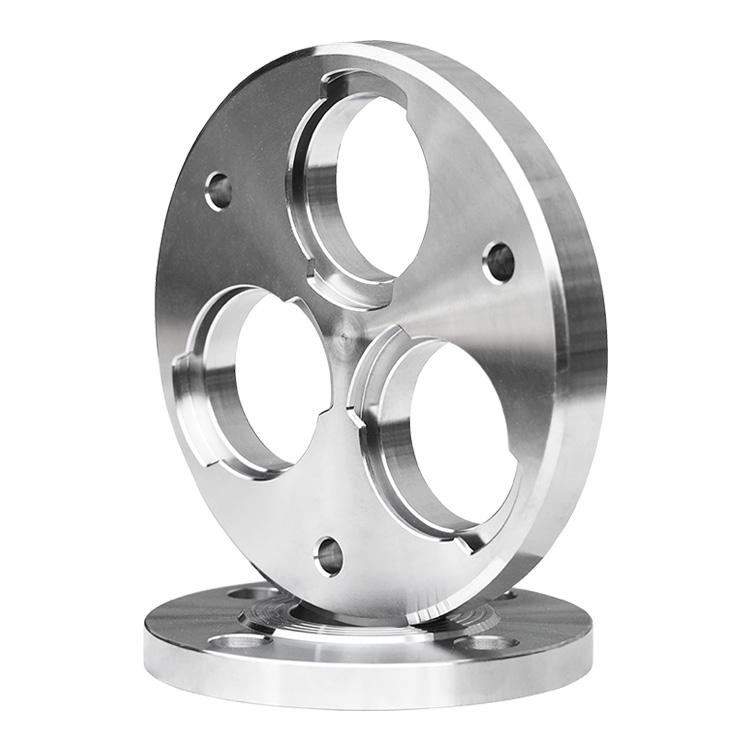
Pressure vessels used in refineries and processing plants often operate continuously for long periods.
During scheduled shutdowns, every hour saved during maintenance contributes to improved operational efficiency.
Steam drums, condensate systems, and auxiliary pressure vessels require regular inspections.
Quick open covers reduce maintenance time while supporting safe and reliable operation.
There is no universal solution for every application.
When recommending a quick open handhole cover, I evaluate:
Working pressure
Operating temperature
Frequency of maintenance
Process medium
Available installation space
Industry regulations
Customer maintenance procedures
Selecting the appropriate design helps maximize both safety and long-term performance while reducing maintenance costs.
How I Choose the Right Material for a Quick Open Handhole Cover
One of the first questions customers ask me is, "Which material should I choose?" There is no single answer because every operating environment is different. The best material depends on pressure, temperature, corrosion resistance, maintenance frequency, and the type of process media inside the vessel.
When selecting a Quick Open Handhole Cover for Industrial Maintenance Applications, I always balance performance, durability, and long-term operating costs rather than focusing only on the initial purchase price.
Carbon steel remains one of the most popular materials for industrial pressure vessels.
I usually recommend it for applications involving:
Water treatment
Air receivers
Industrial boilers
General process equipment
Excellent mechanical strength
Competitive price
Easy machining
Wide availability
Suitable for medium-pressure applications
Requires protective coatings in humid environments
Lower corrosion resistance than stainless steel
Not recommended for aggressive chemicals
For customers seeking economical solutions in non-corrosive conditions, carbon steel often provides excellent value.
Many industries require superior corrosion resistance.
Stainless steel grades such as 304, 304L, 316, and 316L perform exceptionally well in demanding environments.
Typical applications include:
Food processing
Pharmaceutical manufacturing
Beverage production
Marine engineering
Chemical processing
Among these materials, 316L stainless steel is particularly suitable for chloride-containing environments because of its enhanced corrosion resistance.
Some pressure vessels operate under extreme temperatures and high pressures.
For these conditions, alloy steels provide improved:
Yield strength
Heat resistance
Structural stability
Long-term reliability
Typical applications include:
Steam boilers
Petrochemical reactors
Refinery equipment
High-pressure heat exchangers
Although alloy steel has a higher initial cost, it often delivers lower lifecycle costs in demanding operating conditions.
When customers require both exceptional strength and outstanding corrosion resistance, duplex stainless steel is often the best solution.
Its advantages include:
High mechanical strength
Excellent resistance to stress corrosion cracking
Long service life
Reduced maintenance requirements
This material is commonly used in offshore platforms, desalination plants, and chemical processing facilities.
| Material | Corrosion Resistance | Mechanical Strength | Relative Cost | Typical Applications |
|---|---|---|---|---|
| Carbon Steel | Moderate | High | Low | Water treatment, boilers |
| Stainless Steel 304 | Good | High | Medium | Food processing, utilities |
| Stainless Steel 316L | Excellent | High | Medium-High | Marine, chemical plants |
| Alloy Steel | Moderate | Very High | High | High-temperature pressure vessels |
| Duplex Stainless Steel | Excellent | Very High | High | Offshore, desalination |
Source: ASTM A105, ASTM A182, ASTM A240, ASM Handbook Volume 1 – Properties and Selection.
How I Select the Best Quick Open Handhole Cover
After working with customers from various industries, I have developed a practical selection process that helps avoid common purchasing mistakes.
Rather than choosing based solely on price, I evaluate several key factors.
The first consideration is always pressure.
I recommend confirming:
Maximum working pressure
Design pressure
Hydrostatic test pressure
Applicable safety factor
The handhole cover should always be rated above the actual operating conditions.
Temperature affects both the metal components and the gasket material.
High temperatures can reduce material strength, while low temperatures may affect gasket flexibility.
Selecting materials that match the operating temperature helps maintain long-term sealing performance.
Different media require different levels of corrosion resistance.
| Process Medium | Recommended Material |
|---|---|
| Water | Carbon Steel |
| Steam | Carbon Steel or Alloy Steel |
| Food Products | Stainless Steel 304 |
| Pharmaceutical Fluids | Stainless Steel 316L |
| Chemical Solutions | Stainless Steel 316L or Duplex |
| Seawater | Duplex Stainless Steel |
Matching the material to the process medium significantly extends service life.
International buyers often specify compliance with recognized engineering standards.
The most common include:
ASME Boiler and Pressure Vessel Code Section VIII
ASME B16.5
ASTM Material Specifications
MSS Standards
Customer engineering drawings
Compliance with these standards improves compatibility, safety, and project acceptance.
Even the best design depends on manufacturing precision.
At Zhejiang Songlin Flange Co., Ltd., we invest in advanced CNC machining equipment and comprehensive inspection systems to ensure every component meets strict quality requirements.
Our quality control process includes:
Raw material verification
Precision CNC machining
Dimensional inspection
Surface finish inspection
Material traceability
Final quality inspection before shipment
This systematic approach helps us deliver products that perform reliably in demanding industrial environments.
Quick open handhole covers are especially valuable when equipment requires frequent inspection.
If maintenance is performed weekly, monthly, or quarterly, a quick open design can significantly reduce labor time and improve overall operational efficiency.
For applications with infrequent maintenance, a traditional bolted design may still be a practical and cost-effective option.
Quick Open vs. Conventional Bolted Handhole Covers
Choosing between a quick open design and a conventional bolted cover depends on operational priorities.
Quick open handhole covers are designed to improve maintenance efficiency by reducing the time required to access pressure vessels. They are particularly suitable for industries with frequent inspections, such as food processing, pharmaceuticals, and chemical manufacturing.
Conventional bolted covers, on the other hand, remain a dependable choice for applications where maintenance intervals are long and minimizing initial equipment costs is a higher priority.
Although quick open systems generally involve a higher upfront investment, many facilities recover that cost through shorter shutdown periods, lower labor requirements, and improved equipment availability over the product's service life.
In my experience, even the highest-quality Quick Open Handhole Cover for Industrial Maintenance Applications cannot deliver reliable performance if it is installed or maintained incorrectly. Most leakage problems I have encountered are caused by improper installation, damaged gaskets, uneven locking pressure, or neglected maintenance rather than manufacturing defects.
By following a few practical guidelines, operators can improve sealing performance, extend equipment life, and reduce unexpected downtime.
Before closing the handhole cover, I always recommend checking every component carefully.
Inspect the following items:
Sealing surface for scratches or dents
Gasket for wear, cracks, or deformation
Locking mechanism for smooth operation
Hinges, swing bolts, or clamps for damage
Contact surfaces for dirt, rust, or debris
Alignment between the cover and vessel opening
A clean sealing surface is one of the simplest ways to prevent leakage.
Quick open mechanisms are designed for efficiency, but they still require proper operation.
When closing the cover:
Confirm that the gasket is correctly positioned.
Ensure the cover sits evenly on the sealing surface.
Engage every locking component completely.
Verify that all safety locks are secured before pressurizing the vessel.
Never force the mechanism if resistance is unusually high. Instead, inspect the sealing surfaces and locking components for obstructions or damage.
Although some gasket materials appear reusable, replacing worn or compressed gaskets during scheduled maintenance is usually the safest approach.
A new gasket helps ensure:
Reliable sealing
Consistent pressure retention
Lower risk of leakage
Reduced maintenance costs over time
The cost of a replacement gasket is minimal compared with the expense of an unexpected shutdown.
Preventive maintenance helps identify minor issues before they become major problems.
During scheduled inspections, I recommend checking:
Locking mechanism wear
Hinge movement
Bolt or clamp condition
Corrosion around the sealing area
Gasket compression
Surface finish of sealing faces
Evidence of pressure leakage
Regular maintenance extends service life and supports safe operation.
| Feature | Quick Open Handhole Cover | Conventional Bolted Cover |
|---|---|---|
| Opening Time | 2–5 minutes | 20–60 minutes |
| Labor Requirement | Low | Moderate to High |
| Maintenance Efficiency | Excellent | Moderate |
| Sealing Reliability | Excellent (when properly maintained) | Excellent |
| Ideal for Frequent Inspection | Yes | Limited |
| Initial Investment | Higher | Lower |
| Long-Term Operating Cost | Lower | Higher |
| Typical Industries | Food, pharmaceutical, chemical, power | General industrial applications |
Source: ASME Boiler and Pressure Vessel Code Section VIII, Pressure Vessel Design Handbook (Dennis Moss), and industrial maintenance best practices.
At Zhejiang Songlin Flange Co., Ltd., we understand that every pressure vessel application has unique technical requirements. Our goal is not simply to manufacture components but to provide dependable solutions that help customers improve safety, reduce maintenance costs, and increase operational efficiency.
With advanced CNC machining centers, precision inspection equipment, and an experienced engineering team, we manufacture high-quality flange products and pressure vessel components that meet international quality expectations.
Our product portfolio includes:
Slip-On Flanges
Welding Neck Flanges
Blind Flanges
Socket Weld Flanges
Threaded Flanges
Lap Joint Flanges
Ring Joint Flanges
Large Diameter Flanges
Non-Standard Flanges
Custom Handhole Covers
Every product is manufactured under strict quality control procedures to ensure dimensional accuracy, reliable sealing performance, and long service life.
Our commitment to integrity, continuous innovation, and customer satisfaction enables us to build long-term partnerships with clients around the world.
Over the years, I have observed several common mistakes that buyers make when selecting handhole covers. Avoiding these issues can save significant time and money.
Common mistakes include:
Choosing products based only on the lowest price
Selecting materials without considering corrosion resistance
Ignoring operating temperature and pressure requirements
Overlooking international standards and certification needs
Reusing damaged or aged gaskets
Neglecting routine inspections of locking mechanisms
Purchasing non-standard components without verifying compatibility
Taking a comprehensive approach to selection helps ensure better performance throughout the equipment's service life.
Frequently Asked Questions
A quick open handhole cover provides fast and secure access to pressure vessels, tanks, boilers, and process equipment for inspection, cleaning, and maintenance while maintaining a reliable pressure-tight seal during operation.
Yes. Many quick open handhole covers are specifically engineered for high-pressure service. The design must comply with applicable standards, and the pressure rating should match the vessel's operating conditions.
For most corrosive applications, 316L stainless steel is an excellent choice due to its superior resistance to chlorides and many industrial chemicals. Duplex stainless steel may be recommended for even more demanding conditions.
Replacement intervals depend on operating conditions, temperature, pressure, and gasket material. As a general practice, the gasket should be inspected during every scheduled maintenance shutdown and replaced whenever wear, deformation, or damage is detected.
Precision CNC machining ensures accurate dimensions, smooth sealing surfaces, and consistent product quality. These characteristics improve sealing performance, simplify installation, and contribute to a longer service life.
Conclusion
Selecting the right Quick Open Handhole Cover for Industrial Maintenance Applications is a critical decision that directly affects equipment safety, maintenance efficiency, and overall operating costs. A well-designed quick open system allows maintenance teams to perform inspections more efficiently, reduce downtime, and maintain dependable sealing performance under demanding operating conditions.
By carefully considering operating pressure, temperature, process media, material selection, manufacturing quality, and compliance with international standards, buyers can choose a solution that delivers reliable performance throughout the equipment's lifecycle.
At Zhejiang Songlin Flange Co., Ltd., we combine advanced manufacturing technology, precision CNC machining, comprehensive quality inspection, and years of industry expertise to deliver dependable flange and pressure vessel components for customers worldwide. Whether you require a standard Quick Open Handhole Cover for Industrial Maintenance Applications or a fully customized solution, we are committed to providing products that meet your technical requirements and support the safe, efficient operation of your industrial systems.
Through quality manufacturing, responsive service, and continuous innovation, we look forward to becoming your trusted long-term partner for pressure vessel components and industrial flange solutions.


Copyright © 2022 Zhejiang Songlin Flange Co., Ltd.
SitemapThis website uses cookies to ensure you get the best experience on our website.

 Español
 Pусский
 Français
 Deutsch
 日本語
日本語 한국어
한국어 العربية
 Italiano
 Nederlands



 WhatsApp
 Phone
Phone
Comment
(0)