
 Español
 Pусский
 Français
 Deutsch
 日本語
日本語 한국어
한국어 العربية
 Italiano
 Nederlands
industrial conveyor system
An industrial conveyor system is a mechanical material-handling solution designed to move products, raw materials, or finished goods efficiently from one point to another within a facility. It is widely used in manufacturing plants, warehouses, distribution centers, mining operations, food processing lines, packaging workshops, and many other industrial environments. By automating the transportation process, a conveyor system helps reduce manual labor, improve productivity, and maintain a steady workflow.At its core, an industrial conveyor system consists of a frame, driving unit, belt or rollers, supporting structures, and control components. The exact design depends on the application, load requirements, operating speed, and environmental conditions. Common types include belt conveyors, roller conveyors, chain conveyors, screw conveyors, and overhead conveyors. Belt conveyors are among the most popular because they can handle a wide range of materials and provide smooth, continuous movement. Roller conveyors are often used for cartons, pallets, and rigid items. Chain conveyors are suitable for heavy loads, while screw conveyors are ideal for transporting powders, granules, and loose materials.One of the main advantages of an industrial conveyor system is efficiency. Instead of relying on workers or forklifts to transport items repeatedly, the conveyor can move materials automatically and continuously. This saves time, lowers operational costs, and reduces the risk of workplace injuries. Conveyor systems also help organize production lines by creating a predictable flow of materials. This is especially important in assembly lines, where each workstation depends on timely delivery of parts.Another important benefit is flexibility. Conveyor systems can be customized to fit different layouts and production needs. They may run horizontally, incline upward, decline downward, or curve around corners. Some systems are designed for heavy-duty industrial use, while others are built for clean-room or food-grade environments. Additional features such as speed control, sensors, sorting devices, accumulation zones, and automated stop-start functions can be integrated to improve performance.Industrial conveyor systems also contribute to quality control. By moving products at a controlled pace, they help maintain consistency in production and reduce handling damage. In industries such as food, pharmaceuticals, and electronics, conveyors support hygiene, precision, and traceability. They can be designed with stainless steel, washdown components, or special coatings to meet strict operating standards.Maintenance is an essential part of keeping a conveyor system running reliably. Regular inspection of belts, motors, bearings, rollers, and alignment helps prevent breakdowns and unexpected downtime. Proper lubrication, cleaning, and tension adjustment can extend the service life of the equipment and ensure safe operation. Modern conveyor systems may also include monitoring technology that detects wear, overload, or abnormal vibration before serious problems occur.In conclusion, an industrial conveyor system is a vital tool for modern material handling. It improves efficiency, reduces labor intensity, enhances safety, and supports stable production processes. With the right design and maintenance, a conveyor system can deliver long-term value and become an essential part of industrial operations.
Products
Category:
-
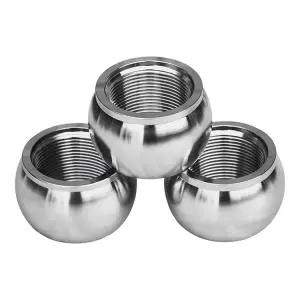
Precision Ball Transfer Unit for Smooth Material Flow Applications
Category: Standard flangeBrowse number: 186Number:Release time: 2026-07-01 14:21:42Precision Ball Transfer Unit is an advanced industrial material handling component designed for smooth, multi-directional movement and efficient workflow optimization. Widely used in conveyor systems, packaging lines, and assembly stations, it reduces manual effort while improving operational speed and safety. With durable stainless steel and carbon steel construction, it ensures long service life even in heavy-duty environments. Ideal for logistics, manufacturing, and automation industries, this solution supports flexible material positioning without surface damage. As a trusted supplier, we provide high-quality ball transfer units that meet global industrial standards, helping businesses achieve higher productivity and smoother material flow in daily operations.
News
Category:
-
[industry news]Precision Neck Flange for Industrial Assembly Systems
2026-09-04 04:20:28
Case
Category:
No search results found!
Video
Category:
No search results found!
Download
Category:
No search results found!
Job
Category:
No search results found!
Featured Products
No search results found!



 WhatsApp
 Phone
Phone