
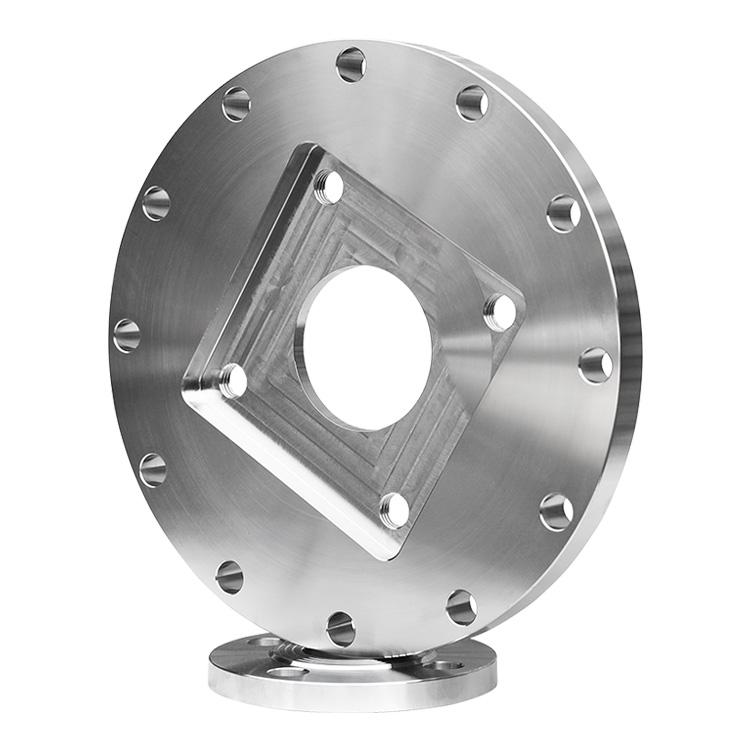
A high strength industrial pipe flange for pipeline networks is a critical mechanical component used to connect pipes, valves, pumps, fittings, and other pipeline equipment in demanding industrial environments. Designed to support pressure, vibration, temperature variation, and long-term operational stress, industrial pipe flanges play an essential role in the safe and efficient transport of liquids, gases, steam, chemicals, and process media across pipeline systems.
In modern pipeline networks, flange performance directly affects system integrity, maintenance efficiency, leak prevention, and installation flexibility. For this reason, high strength pipe flanges are widely used in oil and gas pipelines, chemical processing systems, water treatment plants, power generation facilities, marine engineering, refineries, and heavy industrial applications. This article provides a comprehensive overview of high strength industrial pipe flanges for pipeline networks, including definitions, features, advantages, material options, flange types, technical specifications, selection factors, and common applications.
A pipe flange is a projecting rim, collar, or ring used to create a strong mechanical joint between two sections of pipe or between a pipe and a piece of equipment. A high strength industrial pipe flange is manufactured to deliver superior load-bearing capacity, pressure resistance, corrosion resistance, and dimensional stability. These flanges are usually paired with gaskets and bolted connections to form a sealed joint that can be assembled, disassembled, inspected, and maintained more easily than welded-only systems.
In pipeline networks, high strength flanges are valued for their ability to provide secure and repeatable connections under harsh operating conditions. Their design must align with pressure class requirements, flange facing type, material grade, and industry standards. Depending on the system, flanges may be threaded, slip-on, weld neck, socket weld, blind, lap joint, or orifice types.
Pipeline networks often operate under challenging conditions such as high internal pressure, high external load, thermal expansion, corrosive media, and frequent vibration. A weak connection point can lead to leakage, downtime, safety hazards, product loss, and expensive repairs. High strength industrial pipe flanges are engineered to reduce these risks and improve long-term reliability.
In a well-designed pipeline system, the flange connection is not just a joint; it is a structural and functional interface that helps maintain system performance. High strength flange design ensures proper force distribution across the joint, reliable gasket compression, and stable sealing over time.
| Advantage | Description | Pipeline Benefit |
|---|---|---|
| High pressure resistance | Built to withstand demanding internal pressure levels | Improves safety in pressurized pipeline networks |
| Strong mechanical connection | Bolted joints provide stable and secure pipe alignment | Reduces risk of joint failure and misalignment |
| Easy maintenance | Flanged joints can be disassembled for inspection or replacement | Supports faster maintenance and downtime reduction |
| Wide material compatibility | Available in carbon steel, stainless steel, alloy steel, and more | Suitable for various media and operating environments |
| Good sealing performance | Designed to work with gaskets for leak-tight sealing | Helps prevent leakage and product loss |
| Versatile applications | Used in piping, process lines, utilities, and infrastructure | Applicable across many industrial sectors |
| Long service life | High-quality flanges resist wear and corrosion | Reduces replacement frequency and lifecycle cost |
Different pipeline network designs require different flange types. Selecting the right flange type is essential for strength, sealing efficiency, and installation convenience.
Weld neck flanges feature a long tapered hub that is welded to the pipe. This design provides excellent stress distribution and is ideal for high pressure, high temperature, and high strength applications. Weld neck flanges are often preferred in critical pipeline networks where reliability is essential.
Slip-on flanges slide over the pipe and are welded both inside and outside. They are easier to align and install, making them suitable for lower to moderate pressure systems and applications where installation speed matters.
Blind flanges are solid discs used to close off the end of a pipe or vessel opening. They are important in pipeline testing, maintenance shutdowns, and future expansion points.
Socket weld flanges are designed for small-diameter high pressure piping. The pipe is inserted into the socket and fillet welded. This type offers good strength and leak resistance in compact systems.
Threaded flanges connect to pipes with internal threads and do not require welding. They are often used where welding is not practical or permitted.
Lap joint flanges are used with stub ends and are ideal where frequent dismantling is needed or where corrosion-resistant materials must be combined with a lower-cost backing flange.
Orifice flanges are used with flow measurement devices such as orifice plates. They are commonly found in pipeline networks that require accurate monitoring and process control.
Material selection is one of the most important factors in flange performance. The right material should match the medium, pressure, temperature, corrosion conditions, and mechanical load requirements of the pipeline network.
| Material | Main Characteristics | Typical Use Cases |
|---|---|---|
| Carbon steel | High strength, cost-effective, widely available | Oil and gas, water pipelines, general industrial systems |
| Stainless steel | Excellent corrosion resistance and durability | Chemical plants, food processing, marine environments |
| Alloy steel | Enhanced strength and temperature resistance | High-pressure and high-temperature pipeline systems |
| Duplex stainless steel | Strong mechanical performance with improved corrosion resistance | Offshore, seawater, aggressive chemical service |
| Nickel alloy | Excellent resistance to severe corrosion and heat | Highly corrosive, high-temperature, or specialized systems |
| Cast iron | Moderate strength and good machinability | Some utility and low-pressure applications |
High strength industrial pipe flanges are commonly manufactured according to recognized international standards. These standards define dimensions, pressure ratings, facing types, tolerances, and material requirements to ensure interchangeability and performance consistency.
| Specification Item | Typical Range or Standard | Notes |
|---|---|---|
| Nominal size | DN 10 to DN 3000+ / 1/2" to 120"+ | Depends on system design and application |
| Pressure class | Class 150, 300, 600, 900, 1500, 2500 | Higher class means higher pressure capability |
| Standards | ASME B16.5, ASME B16.47, EN 1092-1, ISO, JIS, DIN | Selected based on project and regional requirement |
| Facing type | Raised Face, Flat Face, Ring Type Joint | Affects sealing and gasket selection |
| Surface finish | Machined, serrated, smooth, special finish | Should match gasket requirements |
| Temperature range | Depends on material grade and service condition | Critical for thermal stability |
| Connection type | Welded, threaded, bolted, combined structures | Selected for application and installation method |
Pressure class is a fundamental specification for any high strength industrial pipe flange. It indicates the flange’s pressure-bearing capability at a given temperature. In pipeline networks, higher pressure classes are generally required for systems handling intense operating conditions.
For example, Class 150 flanges are commonly used in low to moderate pressure systems, while Class 300, Class 600, and above are suitable for more demanding pipeline applications. However, actual pressure capacity depends on the flange material, temperature, flange standard, and design code. Therefore, engineers must always match flange class to the working pressure and service conditions of the pipeline.
Flange facing type is directly related to sealing performance. Different faces work with different gasket styles and connection requirements.
The raised face is the most common flange facing type. It concentrates gasket pressure on a smaller sealing area, improving sealing efficiency in many general industrial applications.
Flat face flanges have a level sealing surface and are often used with cast iron or low-stress systems. They help reduce bending stress in certain equipment connections.
RTJ flanges use a metal ring gasket seated in a machined groove. This design is preferred for high pressure, high temperature, and critical sealing environments.
High strength industrial pipe flanges improve pipeline performance in several practical ways. First, they support secure alignment between connected components, which reduces stress concentration and vibration-related damage. Second, they create a strong and repeatable sealing interface when used with the correct gasket and bolt torque. Third, they make inspection, repair, and replacement easier because the system can be opened without cutting pipe sections apart.
In large pipeline networks, maintenance efficiency is especially important. Flanged joints allow operators to isolate sections, remove equipment, and replace damaged parts with less disruption. This is one reason high strength flanges remain essential in industrial pipeline engineering.
| Industry | Application Example | Flange Requirement |
|---|---|---|
| Oil and gas | Transmission pipelines, wellhead systems, refining units | High pressure, corrosion-resistant, reliable sealing |
| Chemical processing | Acid lines, reactor systems, transfer pipelines | Chemical resistance and leak prevention |
| Water treatment | Raw water, treated water, sludge pipelines | Durability and ease of maintenance |
| Power generation | Steam lines, cooling systems, utility piping | High temperature and pressure tolerance |
| Marine and offshore | Seawater systems, platform piping, transfer lines | Corrosion resistance and structural strength |
| Mining and mineral processing | Slurry pipelines, process water, chemical delivery | Abrasion resistance and robust construction |
| Food and beverage | Sanitary process lines, utility piping | Hygienic material quality and cleanability |
Choosing the right flange for a pipeline network requires a careful evaluation of operating conditions and mechanical requirements. Below are the most important factors to consider.
The term high strength in industrial pipe flange design refers not only to tensile strength but also to the ability to perform reliably under mechanical stress, pressure cycling, and environmental exposure. A durable flange must resist deformation, cracking, gasket blowout, bolt loosening, and material degradation over time.
Corrosion resistance is equally important, especially in systems carrying seawater, acidic fluids, humid gases, or chemically aggressive media. Stainless steel, duplex stainless steel, and alloy materials are often chosen for superior resistance, while protective coatings and surface treatments may also be applied to carbon steel flanges in certain environments.
Proper installation is essential for safe and long-lasting flange performance. Even a high strength flange can fail if installation procedures are not followed carefully. Key installation practices include correct alignment, gasket selection, bolt tightening in a cross pattern, torque control, and inspection of sealing surfaces.
Uneven bolt loading, damaged gasket faces, incorrect bolt length, and contamination on the sealing surface can all cause leakage or premature joint failure. For this reason, trained technicians and proper assembly procedures are important in every pipeline network.
Regular inspection helps ensure flange joints continue to perform as intended. Industrial pipeline operators often check for signs of leakage, corrosion, flange face damage, bolt relaxation, gasket deterioration, and misalignment. Preventive maintenance can extend service life and reduce unplanned shutdowns.
| Flange Type | Strength Level | Installation Ease | Typical Use |
|---|---|---|---|
| Weld Neck | Very high | Moderate | Critical high-pressure pipelines |
| Slip-On | Moderate | Easy | General industrial piping |
| Blind | Very high | Easy | Pipe closure and testing |
| Socket Weld | High | Moderate | Small-diameter high-pressure lines |
| Threaded | Moderate | Easy | No-weld installations |
| Lap Joint | Moderate | Easy | Frequent disassembly and corrosive service |
For content strategy and industrial search visibility, commonly used related terms include industrial pipe flange, high strength flange, pipeline network flange, pipe connection flange, high pressure flange, stainless steel pipe flange, weld neck flange, ASME flange, flange gasket sealing, and bolted pipe joint. These keywords are frequently associated with product selection, engineering design, and industrial procurement searches.
When building a blog page, category page, or industry landing page, it is useful to include these terms naturally in headings, explanatory paragraphs, and specification tables. Doing so improves topical relevance while keeping the content useful for engineers, buyers, and technical readers.
| Gasket Type | Common Characteristics | Best Suited For |
|---|---|---|
| Spiral wound gasket | Flexible, resilient, suitable for many pressure levels | General industrial flange connections |
| Ring gasket | Metal sealing element for RTJ flanges | High pressure and high temperature service |
| Non-asbestos gasket | Common sealing option for many process systems | Utility and process piping |
| PTFE gasket | Excellent chemical resistance | Corrosive media and chemical lines |
| Graphite gasket | Good thermal resistance and sealing stability | High-temperature applications |
The industrial piping market continues to emphasize reliability, standardization, and lifecycle efficiency. Demand for high strength industrial pipe flanges is supported by infrastructure expansion, energy projects, plant upgrades, and the need for safer pipeline networks. Engineers increasingly focus on corrosion performance, long-term maintenance cost, and compatibility with digital inspection systems.
Another important trend is the use of advanced materials and precision machining to improve seal quality and joint durability. As pipeline systems become more complex, the need for standardized, high-performance flange solutions continues to grow across sectors.
A high strength industrial pipe flange for pipeline networks is a foundational component in modern piping systems. It provides a secure, maintainable, and standardized method for connecting pipeline sections and equipment under pressure. With the correct combination of material, pressure class, facing type, and installation method, industrial flanges deliver strong sealing performance, excellent durability, and broad application flexibility.
Whether used in oil and gas, chemical processing, water treatment, power generation, marine systems, or other industrial environments, high strength pipe flanges help ensure operational safety and long-term reliability. For any pipeline network that demands stable performance and efficient maintenance, flange selection remains one of the most important engineering decisions.


Copyright © 2022 Zhejiang Songlin Flange Co., Ltd.
SitemapThis website uses cookies to ensure you get the best experience on our website.

 Español
 Pусский
 Français
 Deutsch
 日本語
日本語 한국어
한국어 العربية
 Italiano
 Nederlands



 WhatsApp
 Phone
Phone
Comment
(0)