
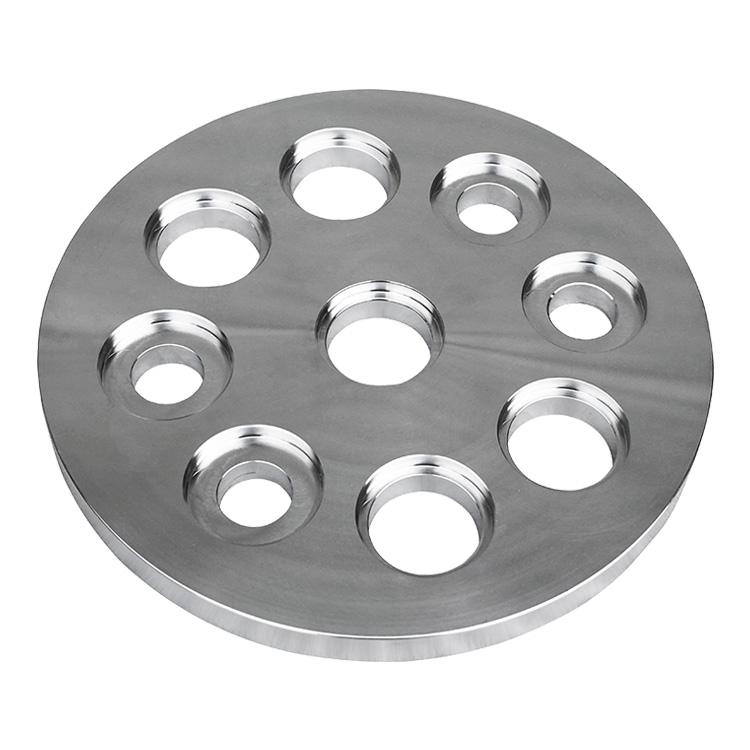
A high strength welding neck flange for the oil and gas industry is a critical piping component designed for
demanding environments where safety, pressure resistance, corrosion control, and long service life are essential. In upstream,
midstream, and downstream oil and gas operations, welding neck flanges are widely used to create strong, reliable, and
leak-resistant connections between pipes, valves, pumps, pressure vessels, and other process equipment.
This type of flange is recognized for its tapered hub, butt-weld connection, and ability to
distribute stress more evenly across the piping system. Because of these features, a welding neck flange is often selected for
high pressure, high temperature, high vibration, and critical service
applications in oil and gas plants, offshore platforms, refineries, pipelines, gas processing facilities, and petrochemical systems.
This guide provides a detailed overview of the definition, key features, benefits, materials, specifications,
standards, applications, selection factors, and installation considerations for high strength welding neck flanges in the
oil and gas sector. The content is written in clear English and structured for SEO-friendly publication on blog pages, product
category pages, and industrial information pages.
A welding neck flange is a type of pipe flange with a long tapered hub that is welded directly to a pipe using a
butt-weld connection. The weld preparation and hub design allow the stress to be transferred smoothly from the flange to the pipe,
making it suitable for harsh operating conditions. Compared with many other flange types, a welding neck flange offers excellent
resistance to bending stress, thermal expansion, and mechanical fatigue.
In oil and gas systems, welding neck flanges are preferred where integrity, durability, and pressure containment
are more important than low initial cost. They are especially suitable for pipelines and process lines that handle hazardous fluids,
sour gas, hydrocarbons, steam, chemicals, and high-temperature media.
The phrase high strength welding neck flange usually refers to a flange manufactured from strong alloy or carbon
steel materials, with mechanical properties and dimensional accuracy suitable for severe service. In many cases, “high strength”
also means the flange is designed to meet demanding pressure ratings, stringent industry standards, and long-term operational
requirements.
Oil and gas operations involve extreme conditions that can expose piping systems to pressure surges, corrosive fluids, thermal
cycling, vibration, and mechanical shock. A flange failure in such systems can lead to leakage, production loss, safety incidents,
environmental damage, and expensive downtime. This is why a high strength welding neck flange for oil and gas industry
applications is considered one of the most reliable connection solutions.
These flanges are built to maintain a secure connection under intense operating loads. Their welded joint reduces the risk of
loosening, while the hub design supports stress reduction at the pipe-to-flange transition. This makes them a trusted choice in
critical service lines that require long-term stability.
In addition, oil and gas facilities often must comply with strict codes, inspection programs, and safety practices. Using high
strength welding neck flanges helps support compliance with engineering specifications and industry expectations for pressure
containment and mechanical integrity.
| Feature | Description | Benefit in Oil and Gas Applications |
|---|---|---|
| Tapered Hub | Gradual transition from flange body to pipe connection | Reduces stress concentration and improves load distribution |
| Butt-Weld End | Flange is welded directly to the pipe | Creates a strong, permanent, leak-resistant joint |
| High Pressure Capability | Available in pressure classes suitable for severe service | Supports critical oil and gas process conditions |
| Strong Mechanical Integrity | Manufactured from durable steel or alloy materials | Resists deformation, fatigue, and operational stress |
| Excellent Sealing Performance | Works with gaskets and bolting to form a reliable seal | Helps minimize leakage risk in hazardous systems |
| Versatile Material Options | Can be made from carbon steel, stainless steel, duplex, and alloy steel | Allows selection based on corrosion, temperature, and pressure requirements |
| Standards Compliance | Commonly produced to ASME, ASTM, EN, and API-related requirements | Supports engineering acceptance and procurement consistency |
One of the main reasons engineers choose a high strength welding neck flange is its excellent structural strength.
The welded neck design allows the flange to perform well under heavy loads, making it ideal for high-pressure pipelines and process
equipment. This strength reduces the chance of joint failure and helps extend system service life.
The long tapered hub helps distribute mechanical stress more evenly between the pipe and flange. This is especially important in
oil and gas facilities where thermal expansion, vibration, and repeated pressure changes can damage weaker connection types. The
gradual transition also helps reduce the effect of localized stress around the weld area.
Leak prevention is a major priority in oil and gas systems. Because welding neck flanges are welded to the pipe and sealed with
appropriate gaskets and bolting, they provide strong containment performance. This is valuable for systems transporting gases,
crude oil, refined products, steam, and process chemicals.
High temperature can weaken many connection types over time, but a properly selected welding neck flange can maintain structural
integrity in elevated temperature service. This makes it suitable for refineries, heaters, steam systems, and hot process lines.
Welding neck flanges are commonly used where pressure containment is critical. Their design supports robust performance in systems
that operate under high internal pressure, pressure cycling, or sudden pressure fluctuations.
Offshore installations, sour service lines, subsea systems, and remote pipeline stations often face severe environmental exposure.
A high strength welding neck flange for oil and gas industry use can be selected with corrosion-resistant materials and protective
coatings to improve performance in these conditions.
The combination of strong material selection, welded attachment, and stress-friendly geometry helps welding neck flanges deliver a
long operating life. This is beneficial for operators who aim to reduce maintenance frequency and lifecycle cost.
Material selection is one of the most important factors when choosing a welding neck flange for oil and gas service. The right
material depends on pressure, temperature, corrosion risk, fluid type, and project specifications.
| Material Type | Common Characteristics | Typical Oil and Gas Use |
|---|---|---|
| Carbon Steel | Strong, economical, widely available | General pipeline and process applications |
| Stainless Steel | Good corrosion resistance, clean appearance | Corrosive environments, process plants, gas handling |
| Alloy Steel | Improved strength and heat resistance | High-pressure and high-temperature systems |
| Duplex Stainless Steel | High strength and enhanced corrosion resistance | Offshore, marine, sour service, aggressive media |
| Super Duplex Stainless Steel | Very high strength, excellent chloride resistance | Severe offshore and subsea environments |
| Nickel Alloys | Outstanding corrosion and heat resistance | Extreme conditions and special process service |
In oil and gas projects, carbon steel flanges are often used for general service, while stainless steel and duplex grades are
selected when corrosion resistance or sour service performance is required. Alloy steel and nickel-based materials are preferred in
more demanding high-temperature or chemically aggressive environments.
High strength welding neck flanges used in the oil and gas industry are often manufactured according to international standards.
These standards define dimensions, tolerances, material requirements, pressure ratings, testing methods, and marking rules.
| Standard / Code | Purpose | Common Application |
|---|---|---|
| ASME B16.5 | Dimensions and pressure-temperature ratings for flanges | Small to medium size piping systems |
| ASME B16.47 | Large diameter flange dimensions and ratings | Large pipelines and process systems |
| ASTM Material Standards | Defines chemical and mechanical properties of flange materials | Material procurement and quality control |
| EN / DIN Standards | European dimensional and pressure requirements | International plant and pipeline projects |
| API-Related Requirements | Industry practices for oil and gas service equipment | Upstream, midstream, and downstream systems |
| NACE / Sour Service Guidelines | Requirements for resistance to hydrogen sulfide environments | Sour gas and corrosive oilfield conditions |
When specifying a flange, engineers typically check the standard, pressure class, nominal pipe size, facing type, material grade,
and special testing or certification requirements. These details ensure the flange matches the system design and operating
conditions.
Welding neck flanges are available in a range of pressure classes and nominal sizes. The correct selection depends on system
pressure, temperature, fluid type, and governing code requirements.
| Pressure Class | Description | Typical Use |
|---|---|---|
| Class 150 | Lower pressure service | Utility lines and light process applications |
| Class 300 | Moderate pressure service | General oil and gas process piping |
| Class 600 | High pressure service | Critical process lines and refineries |
| Class 900 | Very high pressure service | Severe oil and gas applications |
| Class 1500 | Extremely high pressure service | Specialized high-load systems |
| Class 2500 | Maximum pressure-rated service | Ultra-critical pressure containment applications |
Common nominal sizes range from small diameters used in instrument and process lines to large diameters used in transmission and
plant piping. Exact dimensions vary by standard and pressure class. Always confirm the required size, bore, and facing before
procurement.
The flange facing determines how the flange seals with the gasket. In oil and gas applications, proper facing selection is essential
for leak-tight performance.
| Facing Type | Description | Typical Advantage |
|---|---|---|
| Raised Face (RF) | Most common flange face with a raised sealing area | Widely used and easy to match with standard gaskets |
| Ring Type Joint (RTJ) | Grooved face designed for metal ring gaskets | Excellent sealing in high pressure and high temperature service |
| Flat Face (FF) | Flat sealing surface | Used in special low-pressure or matched equipment applications |
| Special Machined Face | Custom face design for specific engineering requirements | Supports unique sealing and process conditions |
For oil and gas systems, raised face and ring type joint faces are the most common. RTJ faces are often chosen for severe pressure
service because they provide a highly reliable metal-to-metal sealing arrangement when paired with the correct gasket.
A high strength welding neck flange for oil and gas industry use can be found in many parts of the energy value
chain. Its combination of strength, sealing performance, and reliability makes it suitable for a broad range of service areas.
| Application Area | Typical Use Case | Why Welding Neck Flange Is Suitable |
|---|---|---|
| Upstream Production | Wellhead piping, gathering systems, separators | Handles pressure changes and harsh field conditions |
| Midstream Pipelines | Transmission lines, compressor stations, metering stations | Supports long-distance reliability and pressure integrity |
| Refineries | Process units, heater lines, steam systems, high-temp circuits | Performs well under heat, vibration, and cycling loads |
| Gas Processing Plants | Compression, dehydration, fractionation, sweetening systems | Provides secure connection for hazardous gas service |
| Offshore Platforms | Topside piping, utility systems, process modules | Withstands corrosion, vibration, and limited maintenance access |
| Petrochemical Facilities | Chemical transfer, process piping, utility headers | Offers strong sealing and material flexibility |
| Power and Steam Systems | Boiler connections, steam headers, condensate lines | High temperature and pressure performance |
While many flange styles are used in industrial piping, the welding neck flange is often chosen for the most demanding service
conditions. The table below highlights general comparisons.
| Flange Type | Main Characteristics | Typical Oil and Gas Use |
|---|---|---|
| Welding Neck Flange | Strong, welded connection with tapered hub | High pressure, high temperature, critical service |
| Slip-On Flange | Pipe slides into flange before welding | Lower pressure or less critical systems |
| Socket Weld Flange | Pipe inserted into socket before welding | Small diameter high-pressure lines |
| Blind Flange | Used to close the end of a piping system | Isolation and pressure testing |
| Threaded Flange | Screwed onto threaded pipe | Non-welded, lower severity applications |
| Lap Joint Flange | Used with a stub end for easy alignment | Frequent dismantling or non-critical service |
Compared with these alternatives, the high strength welding neck flange generally offers the best balance of pressure capacity,
fatigue resistance, and sealing reliability for severe oil and gas service.
Choosing the right flange requires careful review of system conditions and project requirements. The following factors should be
evaluated before specification or purchase.
| Selection Factor | What to Check | Why It Matters |
|---|---|---|
| Pressure Rating | Class 150, 300, 600, 900, 1500, or 2500 | Ensures pressure containment under operating conditions |
| Temperature Range | Minimum and maximum operating temperature | Material must retain strength and toughness |
| Corrosion Environment | Presence of seawater, sour gas, chemicals, or humidity | Affects material choice and coating needs |
| Fluid Type | Oil, gas, condensate, steam, chemicals, or mixed media | Determines compatibility and sealing requirements |
| Flange Facing | RF, RTJ, FF, or special face | Must match gasket and mating equipment |
| Pipe Schedule and Bore | Wall thickness and internal diameter | Ensures proper fit and flow performance |
| Applicable Standard | ASME, ASTM, API, EN, NACE | Supports code compliance and quality assurance |
| Inspection Requirement | NDT, hydrotest, PMI, dimensional checks | Confirms product quality and integrity |
A carefully selected flange reduces operational risk and helps maintain stable system performance. For critical oil and gas
applications, engineering review is essential before final approval.
To achieve reliable performance, a high strength welding neck flange must be manufactured with precise control over dimensions,
material chemistry, and mechanical properties. Typical quality control steps may include raw material verification, heat treatment,
machining inspection, surface examination, and final dimensional testing.
In oil and gas service, quality expectations are usually strict because flange failure can have serious consequences. Common
inspection and testing practices may include:
Traceability is particularly important in oil and gas projects. Buyers often require complete documentation to confirm that the
flange meets the required standard, heat number, grade, pressure class, and inspection record.
Proper installation is essential for obtaining the full performance benefit of a welding neck flange. Even a high quality flange
can underperform if it is installed incorrectly. The following best practices are commonly recommended:
Good installation practices help prevent leakage, gasket damage, uneven loading, and premature joint failure. In critical oil and gas
systems, final inspection and pressure testing are often part of the commissioning process.
Although welding neck flanges are highly reliable, they must still be selected and applied carefully. Common challenges in oil and
gas service include:
| Challenge | Description | How It Is Addressed |
|---|---|---|
| Corrosion | Exposure to seawater, chemicals, or humid environments | Use corrosion-resistant materials or protective coatings |
| Sour Service | Hydrogen sulfide can damage unsuitable materials | Select sour-service-compliant materials and standards |
| Thermal Cycling | Repeated heating and cooling can loosen joints over time | Choose strong materials and proper gasket systems |
| Vibration | Mechanical vibration can fatigue connections | Use welding neck flange design and correct installation |
| Pressure Surges | Sudden pressure changes increase load on the flange | Specify suitable pressure class and material strength |
| Misalignment | Poor piping alignment can cause extra stress | Ensure accurate fabrication and installation control |
For content optimization, the following related keyword themes may be naturally included throughout a page about welding neck
flanges in oil and gas applications:
These terms are useful for search engine indexing when they are placed naturally in headings, paragraphs, tables, and supporting
text. A well-structured page should include the main keyword several times while keeping the content readable and informative.
Its tapered hub, butt-weld connection, and strong mechanical design make it ideal for high pressure, high temperature, and
critical service applications.
In severe oil and gas service, yes. A welding neck flange generally provides better stress distribution, higher reliability, and
improved long-term performance than a slip-on flange.
Carbon steel, stainless steel, alloy steel, duplex stainless steel, super duplex, and nickel alloys are commonly used depending
on the service environment.
Raised face is very common, while ring type joint is often selected for high pressure and severe service conditions.
They are used in pipelines, refineries, gas plants, offshore platforms, petrochemical facilities, compressor stations, and other
critical oil and gas systems.
A high strength welding neck flange for oil and gas industry applications is one of the most dependable piping
connection solutions for demanding service conditions. Its welded design, tapered hub, strong material options, and excellent
stress-handling characteristics make it highly suitable for pressure-intensive and safety-critical systems.
Whether used in upstream production, midstream transportation, refinery processing, offshore installations, or gas processing,
this flange type offers the durability, sealing performance, and code compatibility needed for modern energy infrastructure. By
choosing the right material, size, pressure class, and facing type, operators can improve reliability, reduce maintenance risk,
and support long-term system integrity.
For SEO and industrial content publishing, this topic offers strong search value because it combines technical terminology,
application-based keywords, product specifications, and practical engineering information. A well-optimized page using this content
can help attract traffic from buyers, engineers, procurement teams, and project specifiers searching for reliable oil and gas
flange solutions.
```


Copyright © 2022 Zhejiang Songlin Flange Co., Ltd.
SitemapThis website uses cookies to ensure you get the best experience on our website.

 Español
 Pусский
 Français
 Deutsch
 日本語
日本語 한국어
한국어 العربية
 Italiano
 Nederlands



 WhatsApp
 Phone
Phone
Comment
(0)