
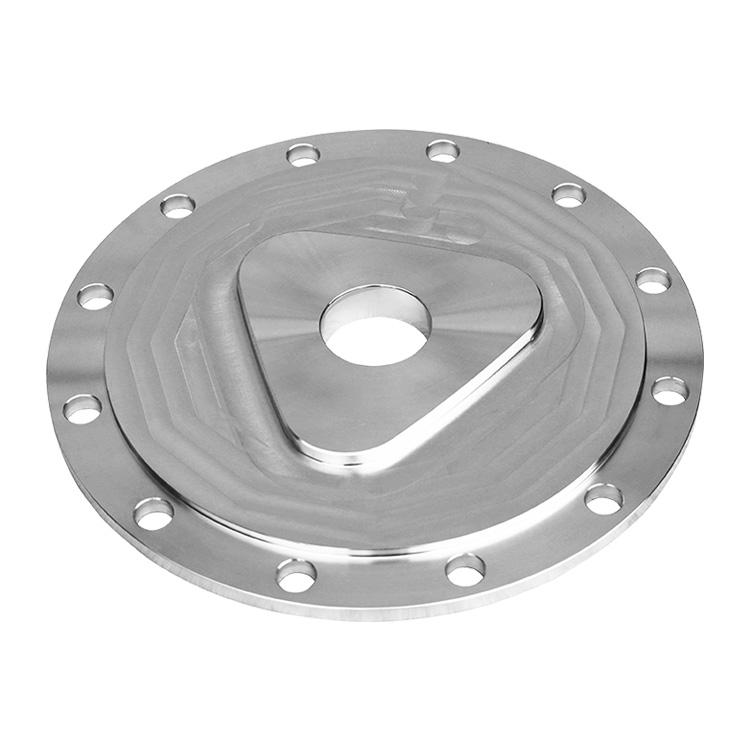
A Heavy Duty Neck Flange for Oil and Gas Pipelines is a high-strength pipe connection component
designed to handle demanding operating conditions in upstream, midstream, and downstream oil and gas systems.
It is widely used where pipeline integrity, pressure resistance, vibration resistance, and long-term sealing
performance are critical. In the oil and gas industry, flange selection directly affects safety, maintenance
efficiency, installation quality, and system reliability.
This guide provides a detailed overview of the Heavy Duty Neck Flange for Oil and Gas Pipelines,
including its definition, key features, technical advantages, common specifications, material choices, pressure
ratings, application areas, inspection requirements, and buying considerations. The content is written for
industrial websites, product category pages, directory pages, and SEO-focused blog content. It is based on
general industry knowledge only and does not recommend any specific company.
A heavy duty neck flange is a reinforced flange type with a long tapered hub that transitions smoothly into the
pipe. This design improves stress distribution and makes the flange suitable for high-pressure, high-temperature,
and high-vibration environments. In oil and gas pipelines, a heavy duty neck flange is often selected for critical
service conditions where a Standard Flange may not provide enough mechanical strength or fatigue resistance.
The term neck flange is commonly associated with a Weld Neck Flange design. The welded neck
structure provides excellent load transfer, reducing stress concentration at the base of the flange. This makes
the heavy duty neck flange especially valuable in pipeline systems exposed to cyclic loading, corrosive fluids,
thermal expansion, and long service cycles.
Oil and gas pipelines must operate reliably under severe conditions. Pressure surges, fluid turbulence, sour
media, offshore environments, and temperature fluctuations all place stress on pipe joints. A heavy duty neck
flange for oil and gas pipelines offers a stronger connection point and helps maintain sealing performance over
time.
Compared with lower-duty flange types, the heavy duty neck flange is better suited for applications that require:
The heavy duty neck flange provides several performance benefits that make it a preferred choice in pipeline
engineering. These advantages support SEO relevance for searches related to pipeline flanges, weld neck flanges,
and heavy-duty Industrial Flange solutions.
| Advantage | Description | Pipeline Benefit |
|---|---|---|
| High Strength | Reinforced hub and thicker flange body improve load-bearing capacity. | Supports high-pressure oil and gas pipeline systems. |
| Stress Reduction | Tapered neck design distributes stress more evenly into the pipe. | Helps reduce cracking and fatigue failure. |
| Excellent Sealing | Compatible with precision-machined sealing surfaces and high-performance gaskets. | Minimizes leakage risk. |
| Durability | Built for harsh service environments and repeated pressure cycles. | Extends service life in critical applications. |
| Weld Integrity | Full-penetration welding creates a strong and secure joint. | Improves overall pipeline reliability. |
| Versatility | Available in multiple sizes, ratings, and materials. | Can be used in different pipeline segments and process conditions. |
Heavy duty neck flanges are widely used in pipeline infrastructure across the oil and gas sector. Their robust
design makes them suitable for both onshore and offshore systems. Typical applications include:
In these environments, the heavy duty neck flange helps maintain a stable connection under thermal stress,
vibration, internal pressure, and external loading. It is often chosen for locations where the cost of leakage or
shutdown is extremely high.
Material selection is one of the most important factors for a heavy duty neck flange for oil and gas pipelines.
The correct material must match the pipeline medium, temperature range, corrosion exposure, and mechanical
requirement. Common materials include carbon steel, alloy steel, stainless steel, duplex stainless steel, and
special corrosion-resistant alloys.
| Material Type | Common Grades | Main Characteristics | Typical Use |
|---|---|---|---|
| Carbon Steel | ASTM A105, A350 LF2 | Good strength, economical, suitable for general service | General pipeline systems, non-extreme environments |
| Alloy Steel | F11, F22, F91 | Improved high-temperature and pressure performance | Hot service and critical pressure lines |
| Stainless Steel | 304, 304L, 316, 316L | Good corrosion resistance and clean surface finish | Corrosive or wet process media |
| Duplex Stainless Steel | 2205, 2507 | High strength and excellent chloride resistance | Offshore and sour service environments |
| Nickel Alloys | Inconel, Monel, Hastelloy | Superior corrosion and heat resistance | Severe chemical exposure and special service |
Heavy duty neck flanges for oil and gas pipelines are manufactured according to recognized industrial standards.
Pressure class, dimension, face type, and testing requirements are normally specified by engineering codes and
project documents. Common flange pressure ratings include ASME Class 150, 300, 600, 900, 1500, and 2500.
The correct pressure class depends on the operating pressure, temperature, pipe size, material grade, and safety
margin. In high-pressure oil and gas systems, higher class ratings are often required to ensure sufficient
mechanical strength and sealing reliability.
| Pressure Class | General Service Level | Common Use Cases |
|---|---|---|
| Class 150 | Low to moderate pressure | Utility and light process piping |
| Class 300 | Moderate pressure | General oil and gas pipeline connections |
| Class 600 | High pressure | Process piping and transmission systems |
| Class 900 | Very high pressure | Critical oil and gas service |
| Class 1500 | Severe pressure conditions | High-risk pipeline and plant applications |
| Class 2500 | Extreme pressure service | Specialized high-pressure systems |
The dimensions of a heavy duty neck flange depend on the nominal pipe size, pressure class, face type, and
standard used. Dimension values are typically governed by ASME B16.5, ASME B16.47, or other applicable pipeline
standards. Larger diameters may also follow custom engineering requirements for project-specific systems.
| Dimension Parameter | Meaning | Why It Matters |
|---|---|---|
| Nominal Pipe Size (NPS) | Standard pipe size designation | Ensures compatibility with the pipeline system |
| Outer Diameter | Total outside diameter of the flange | Affects fit-up and connection spacing |
| Bolt Circle Diameter | Diameter of the bolt hole circle | Determines bolt pattern alignment |
| Bolt Hole Count | Number of bolt holes on the flange | Impacts clamping force and assembly |
| Hub Length | Length of the tapered neck section | Improves stress distribution during welding and operation |
| Thickness | Flange body thickness | Supports pressure and load resistance |
| Facing Type | RF, RTJ, FF, or custom face | Influences sealing performance |
The facing type has a direct impact on sealing performance. The most common facing types for heavy duty neck
flange applications include raised face, ring type joint, and occasionally flat face depending on the system
design. Selecting the correct face is essential for leak prevention and gasket compatibility.
Heavy duty neck flanges are typically produced through forging, machining, heat treatment, and inspection. Forging
improves the internal grain structure and increases mechanical strength. Precision machining ensures dimensional
accuracy and proper gasket seating. Heat treatment may be used to achieve the desired hardness, toughness, and
stress relief properties.
A general manufacturing workflow may include:
In oil and gas pipeline service, quality control is essential. Heavy duty neck flanges are commonly inspected and
tested to confirm mechanical integrity and dimensional compliance. Typical inspection activities may include:
These inspection steps help ensure that the heavy duty neck flange for oil and gas pipelines meets project
specifications and industry safety expectations.
Choosing the right heavy duty neck flange involves balancing pressure, temperature, material, sealing type, pipe
size, and corrosion resistance. For SEO and industry page purposes, it is useful to highlight the selection logic
clearly.
| Selection Factor | What to Check | Why It Is Important |
|---|---|---|
| Operating Pressure | Maximum system pressure and surge conditions | Determines flange class and mechanical requirement |
| Operating Temperature | Minimum and maximum process temperature | Affects material selection and pressure rating |
| Corrosion Environment | Water, sour gas, chlorides, chemicals | Guides the choice of corrosion-resistant materials |
| Pipe Size | Nominal diameter and wall thickness | Ensures dimensional compatibility |
| Face Type | RF, RTJ, or custom sealing face | Supports reliable gasket sealing |
| Applicable Standard | ASME, API, EN, or project specification | Ensures code compliance |
| Welding Requirement | Weld type and welding procedure | Impacts installation quality and joint strength |
Different flange types are used in pipeline systems depending on the service condition. The heavy duty neck flange
stands out because of its stronger hub design and superior load distribution. The comparison below shows the
general differences.
| Flange Type | Main Feature | Strength Level | Common Pipeline Use |
|---|---|---|---|
| Weld Neck Flange | Tapered hub with welded connection | High | High-pressure and critical service |
| Slip-On Flange | Pipes slide into the flange before welding | Moderate | Lower-pressure applications |
| Blind Flange | Used to close a pipe end | High | Testing and isolation |
| Threaded Flange | Uses threaded pipe connection | Lower | Small-diameter systems |
| Lap Joint Flange | Used with stub ends | Moderate | Systems requiring frequent disassembly |
Oil and gas pipelines often operate in corrosive atmospheres, so surface protection is a major consideration. A
heavy duty neck flange may receive protective coatings, anti-rust oil, epoxy layers, or specialized surface
treatments depending on the project requirement.
Proper installation is essential for achieving the performance expected from a heavy duty neck flange for oil and
gas pipelines. Even the highest-quality flange can fail if installation is poor. Key installation points include:
Incorrect installation can lead to leakage, bolt stress imbalance, gasket failure, and premature wear. For this
reason, flange installation should always follow engineering procedures and site safety rules.
The following table provides a practical overview of a heavy duty neck flange specification format often used in
oil and gas pipeline documentation.
| Specification Item | Typical Options |
|---|---|
| Product Type | Heavy Duty Neck Flange / Weld Neck Flange |
| Pipe Size | Custom or standard NPS sizes |
| Pressure Rating | Class 150 to Class 2500 |
| Material | Carbon steel, alloy steel, stainless steel, duplex, nickel alloy |
| Facing | RF, RTJ, FF |
| Standard | ASME B16.5, ASME B16.47, API-related project specs |
| Connection | Butt welded |
| Surface Treatment | Anti-rust oil, coating, special treatment |
| Inspection | Visual, dimensional, NDT, PMI, hardness testing |
The following keyword phrases are commonly relevant for search optimization around this topic. They can be used in
headings, metadata, anchor text, and body content naturally:
To improve readability and search relevance, it is useful to understand common terms associated with heavy duty
neck flanges and pipeline systems.
| Term | Meaning |
|---|---|
| Hub | The tapered neck section that connects the flange to the pipe |
| Facing | The sealing surface of the flange |
| Gasket | Sealing element placed between flange faces |
| Bolt Circle | Circle formed by the center points of bolt holes |
| Pressure Class | Standardized rating for pressure capability |
| Butt Weld | Welding method used to join flange neck to the pipe |
A Heavy Duty Neck Flange for Oil and Gas Pipelines is a critical connection solution for systems
that demand strength, durability, sealing reliability, and long-term performance. Its tapered neck design, strong
weld connection, and compatibility with high-pressure standards make it a preferred choice in demanding oil and
gas applications.
Whether used in transmission lines, offshore platforms, refinery piping, or high-pressure process systems, the
heavy duty neck flange supports safe and stable operation. Proper material selection, pressure class matching,
inspection, and installation are essential to maximize performance and reduce the risk of leakage or downtime.
For websites, catalog pages, and industry blogs, this topic offers strong SEO potential because it combines high
intent keywords such as heavy duty neck flange, oil and gas pipelines,
weld neck flange, and high pressure flange with practical technical information
that helps attract qualified traffic.
```
如果你愿意,我还可以继续帮你做以下任一版本:
1. 更强SEO版(加入更多H2/H3、FAQ、长尾关键词)
2. 更像产品目录页版(更短句、更多参数表)
3. 更像行业博客版(更自然、更适合谷歌收录)
4. 补充 meta title / meta description / FAQ schema JSON-LD


Copyright © 2022 Zhejiang Songlin Flange Co., Ltd.
SitemapThis website uses cookies to ensure you get the best experience on our website.

 Español
 Pусский
 Français
 Deutsch
 日本語
日本語 한국어
한국어 العربية
 Italiano
 Nederlands



 WhatsApp
 Phone
Phone
Comment
(0)